

Every major fashion capital has shaped how luxury handbags are defined, but American influence stands out in both style and innovation. These accessories are much more than functional items, holding deep cultural meaning and signaling personal status for collectors worldwide. With designer handbags dominating nearly 40 percent of global luxury sales, understanding their origins and evolution offers a glimpse into a world where artistry, identity, and craftsmanship converge in every carefully crafted detail.
Table of Contents
- Defining Luxury Handbags And Their Origins
- Historic Evolution Of Designer Handbags
- Materials And Craftsmanship Traditions
- Role Of Iconic Brands And Designers
- Cultural Impact On Global Fashion Trends
Key Takeaways
| Point | Details |
|---|---|
| Defining Luxury Handbags | Luxury handbags are not just accessories; they embody social status, artistic expression, and personal identity. Their craftsmanship distinguishes them from mass-produced items, reflecting intricate design philosophies. |
| Historic Evolution | Designer handbags have transformed from practical tools into complex fashion statements, representing cultural expression and individual identity throughout history. |
| Craftsmanship Traditions | Exceptional luxury handbags are defined by meticulous craftsmanship, innovative design, and high-quality materials, showcasing the intersection of art and technical skill. |
| Cultural Impact | Handbags serve as powerful cultural symbols, reflecting socioeconomic shifts and facilitating cross-cultural communication within global fashion trends. |
Defining Luxury Handbags and Their Origins
Luxury handbags represent far more than simple accessories - they are complex cultural artifacts reflecting intricate design philosophies and profound craftsmanship. These sophisticated items transcend mere functional objects, embodying artistic expression, social status, and personal identity. Research on women’s purchasing behavior reveals that luxury handbags serve as powerful symbols of individual style and aspirational lifestyle.
The origins of luxury handbags can be traced back to early 20th century European fashion houses, where artisan designers first transformed practical carrying implements into statement pieces. Craftsmanship emerged as the fundamental differentiator between mass-produced accessories and truly exceptional handbags. Skilled leather workers, pattern makers, and designers began developing techniques that elevated bags from utilitarian objects to wearable art. Advanced design research demonstrates how logoed handbags evolved dramatically between 1969 and 2009, reflecting shifting cultural perceptions of fashion and personal expression.
Key characteristics defining luxury handbags include:
- Exceptional material quality
- Meticulous hand-crafted construction
- Innovative design elements
- Precise architectural structure
- Limited production quantities
- Distinctive aesthetic vision
Modern luxury handbags represent a perfect fusion of historical craftsmanship and contemporary design principles. They communicate sophisticated narratives about personal identity, social positioning, and aesthetic sensibility far beyond their basic functional purpose. Each piece tells a unique story through carefully selected materials, precision engineering, and artistic vision.
Historic Evolution of Designer Handbags
The journey of designer handbags reflects a remarkable transformation from purely functional objects to sophisticated fashion statements that communicate personal style and social status. Historical research on fashion handbags reveals a complex narrative of design innovation and cultural expression that spans centuries. What began as simple utility items carried by both men and women gradually evolved into intricate accessories representing artistic vision and individual identity.
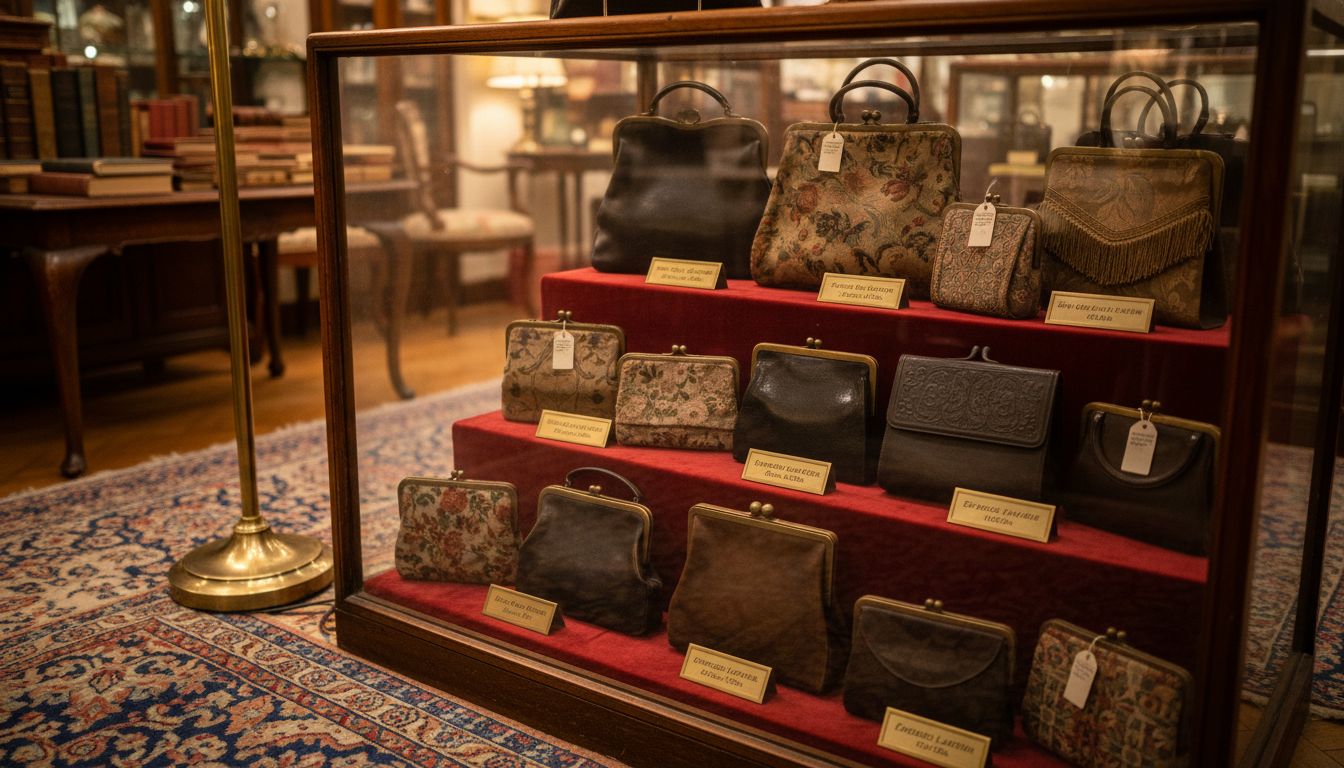
In ancient civilizations, bags were predominantly practical tools for carrying essential items. The medieval period saw leather pouches and drawstring bags emerge as status symbols among nobility, with intricately decorated designs signaling wealth and social positioning. By the late 19th century, industrialization transformed handbag production, enabling more sophisticated manufacturing techniques that allowed designers to experiment with materials, shapes, and aesthetic concepts. Industrial innovation became a critical driver in handbag design, pushing boundaries between functional necessity and artistic expression.
Key milestones in designer handbag evolution include:
- Introduction of structured leather handbags in early 1900s
- Emergence of iconic brand signatures during 1920s
- Post World War II expansion of global luxury fashion markets
- Integration of technological innovations in design and manufacturing
- Rise of designer collaborations and limited edition collections
Tracing the luxury handbag industry’s historical development demonstrates how these accessories have continuously reflected broader cultural shifts. Modern designer handbags are not merely accessories but complex narratives of craftsmanship, technological innovation, and personal expression. They represent a sophisticated intersection of art, fashion, and individual identity, transforming from simple carrying implements into powerful symbols of style and social communication.
Materials and Craftsmanship Traditions
Luxury handbag craftsmanship represents a sophisticated intersection of artistic vision, technical skill, and material expertise. Examining the interplay between luxury, craft, and innovation reveals that true artisan quality extends far beyond simple manufacturing processes. Traditional craftsmanship embodies a profound commitment to excellence, where each handbag becomes a unique artistic statement reflecting generations of refined techniques and deep material knowledge.
The selection and treatment of materials form the cornerstone of exceptional handbag design. Premium leather, sourced from carefully selected animal hides, undergoes meticulous preparation processes that transform raw materials into supple, durable surfaces. Artisan craftspeople employ generations-old techniques like hand cutting, precise stitching, and intricate detailing to create bags that transcend mere accessories. Exotic materials such as Italian calfskin, French lambskin, and specialized textiles represent the pinnacle of material sophistication, each requiring specialized handling and extraordinary technical expertise.
Key elements defining exceptional craftsmanship include:
- Precision hand-cutting techniques
- Specialized leather treatment processes
- Intricate interior and exterior detailing
- Sophisticated stitching methods
- Custom hardware selection
- Rigorous quality control standards
Art collaborations that enhance brand uniqueness demonstrate how modern luxury handbag production combines traditional skills with contemporary artistic vision. Modern craftspeople are not merely manufacturers but creative professionals who transform raw materials into wearable art. Their work represents a delicate balance between respecting time-honored techniques and embracing innovative design approaches, ensuring that each handbag tells a unique story of cultural heritage, technical mastery, and individual expression.
Role of Iconic Brands and Designers
Iconic luxury handbag brands have fundamentally transformed fashion by creating more than mere accessories - they have crafted cultural artifacts that represent artistic vision, social status, and personal identity. The Chanel 2.55’s revolutionary design, introduced in February 1955, exemplifies how a single handbag can redefine fashion expectations and challenge traditional design conventions. Visionary designers like Coco Chanel understood that handbags were not just functional items but powerful statements of individual expression.
Throughout the 20th century, pioneering designers emerged who fundamentally reimagined handbag aesthetics and functionality. Their innovative approaches transcended traditional manufacturing, introducing revolutionary concepts like ergonomic design, modular compartments, and sophisticated material selection. Designers began treating handbags as complex architectural objects, considering factors like weight distribution, user comfort, and aesthetic harmony. Each collection became a carefully curated narrative exploring themes of mobility, personal style, and cultural identity.
Key contributions of iconic designers include:
- Introducing revolutionary structural designs
- Challenging traditional manufacturing techniques
- Creating bags that reflect social and cultural movements
- Developing innovative material combinations
- Establishing brand-specific design languages
- Elevating handbags from accessories to art forms
The Birkin bag’s remarkable journey demonstrates how collaborative creativity can transform a simple concept into a global luxury phenomenon. Modern luxury handbag designers are not merely manufacturers but cultural architects who understand that their creations communicate complex narratives about personal identity, social positioning, and artistic vision. Their work represents a delicate balance between honoring traditional craftsmanship and pushing the boundaries of contemporary design.
Cultural Impact on Global Fashion Trends
Luxury handbags have emerged as powerful cultural symbols that transcend mere accessories, reflecting complex social dynamics and global aesthetic transformations. Elite competition’s profound influence on fashion cycles reveals how these seemingly simple objects communicate intricate narratives about status, identity, and cultural positioning. Global fashion trends are not random occurrences but carefully orchestrated expressions of social communication and artistic innovation.
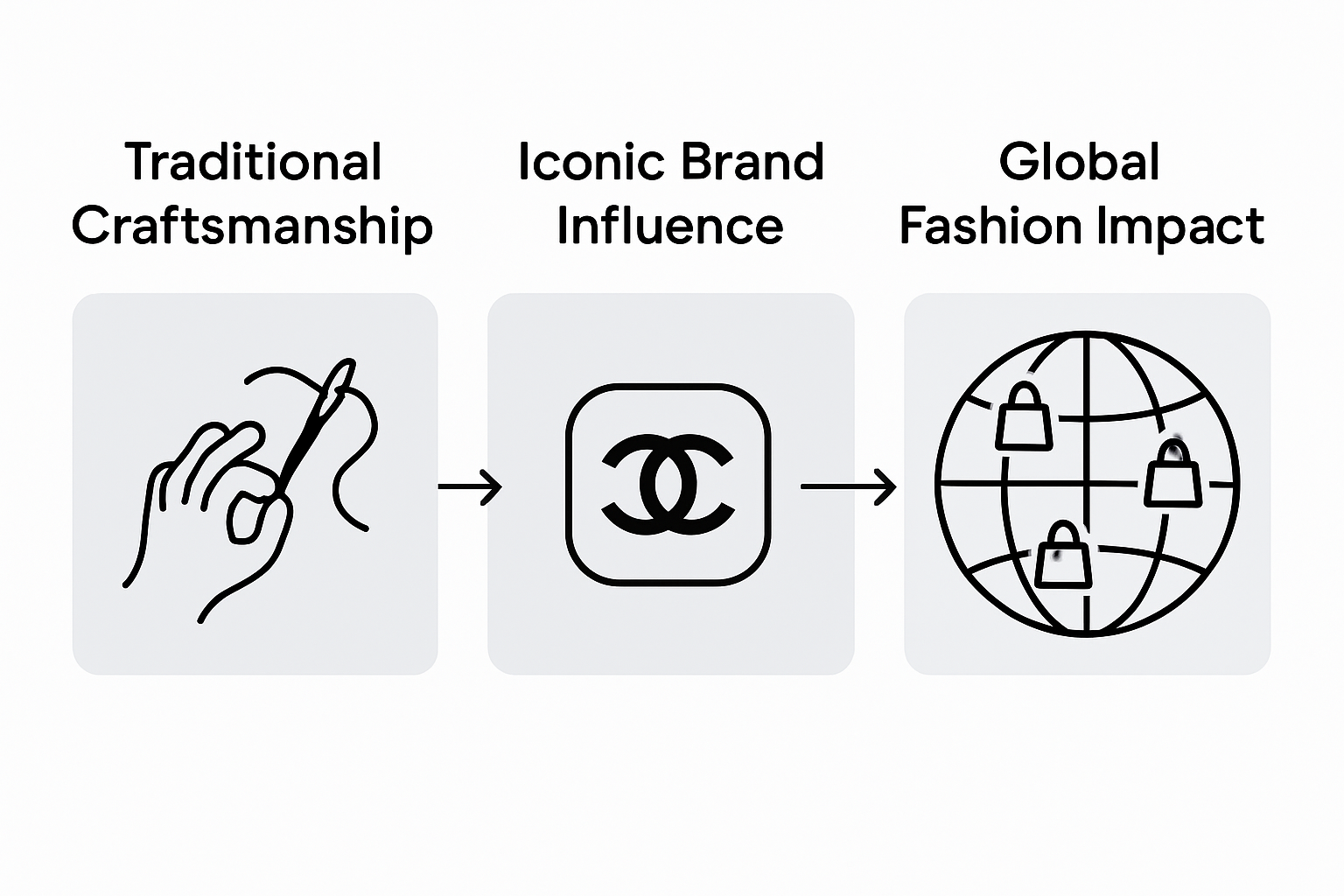
Throughout recent decades, luxury handbags have become sophisticated mediums for cultural exchange, bridging diverse societal expectations and aesthetic preferences. Different global regions interpret handbag designs through unique cultural lenses, transforming these accessories into dynamic representations of local and international style sensibilities. Designers now consider multicultural perspectives, creating collections that speak to increasingly interconnected global audiences while maintaining distinctive design languages that respect regional aesthetic nuances.
Key aspects of handbag cultural impact include:
- Reflecting socioeconomic shifts
- Communicating personal and collective identities
- Serving as cross-cultural communication tools
- Representing artistic and design innovation
- Challenging traditional fashion boundaries
- Demonstrating technological design integration
Technological advancements in fashion visualization have further accelerated the global transformation of handbag design, enabling designers to experiment with unprecedented creative strategies. Modern luxury handbags are no longer static objects but dynamic cultural narratives that continuously evolve, reflecting the complex, interconnected nature of contemporary global fashion ecosystems. They represent intricate dialogues between tradition and innovation, personal expression and collective aesthetic movements.
Discover the True Art of Luxury Handbags at Handbag4u.com
The article highlights the incredible craftsmanship and rich origins behind luxury handbags, emphasizing how these pieces are more than fashion items—they are stories of artistic vision, precision, and cultural significance. If you value exceptional material quality, meticulous hand-crafted construction, and iconic design, your search for the perfect luxury handbag ends here. At Handbag4u.com, you can explore an exclusive selection from renowned brands like Burberry and Saint Laurent that embody the same heritage of craftsmanship and innovation discussed in the article.

Elevate your personal style today by choosing from premium handbags that mirror the traditions and modern influences of designer artisans worldwide. Don’t miss the opportunity to own a piece of fashion history with detailed product descriptions, real customer reviews, and competitive pricing all in one place. Visit Handbag4u.com now and experience how luxury meets craftsmanship in every bag. Explore our diverse collection and find your signature piece to tell your unique story.
Frequently Asked Questions
What defines a luxury handbag?
Luxury handbags are characterized by exceptional material quality, meticulous hand-crafted construction, innovative design elements, precise architectural structure, limited production quantities, and a distinctive aesthetic vision.
How have luxury handbags evolved over time?
The evolution of luxury handbags reflects a transformation from functional items to complex fashion statements, influenced by historical craftsmanship, industrial innovation, and cultural shifts that shape personal identity and social status.
What materials are commonly used in luxury handbag craftsmanship?
Luxury handbags typically use premium leathers such as Italian calfskin and French lambskin, along with specialized textiles. These materials undergo meticulous preparation and treatment processes to ensure durability and aesthetic appeal.
Who are some iconic designers in the luxury handbag industry?
Visionary designers like Coco Chanel and the creators behind the Birkin bag have redefined handbag aesthetics and functionality, elevating these accessories to art forms that reflect social movements and personal expression.