

A single handbag can signal luxury, personal taste, and even cultural status all at once. With iconic bags still making headlines decades after their launch, it is clear that classic design never truly fades. Choosing the right features—timeless shapes, quality materials, and thoughtful details—means carrying a piece that stays relevant year after year. This guide will unpack what defines a truly classic bag, the craftsmanship behind enduring styles, and why some designs outlive fleeting trends.
Table of Contents
- Defining Classic Bag Design Elements
- Signature Styles and Iconic Bag Models
- Materials and Craftsmanship in Classic Bags
- How Classic Designs Remain Timeless
- Classic vs. Contemporary Bag Designs
Key Takeaways
| Point | Details |
|---|---|
| Timeless Design Elements | Classic bag design integrates aesthetics and functionality through elements like proportional silhouettes, quality materials, and elegant color palettes. |
| Cultural Significance | Iconic bag models reflect personal style and cultural markers, showcasing the fusion of innovation and enduring appeal across generations. |
| Quality Craftsmanship | Premium materials and meticulous craftsmanship are essential for creating luxury bags that age gracefully and stand out as wearable art. |
| Balancing Tradition and Modernity | Successful designs merge classic foundations with contemporary trends, ensuring relevance while respecting traditional aesthetics. |
Defining Classic Bag Design Elements
Classic bag design represents a harmonious fusion of aesthetic principles and functional requirements, creating an enduring style that transcends temporary fashion trends. According to research from journalajaees, the core of exceptional bag design revolves around the strategic application of fundamental art elements like line, shape, color, and texture to produce a unified visual statement.
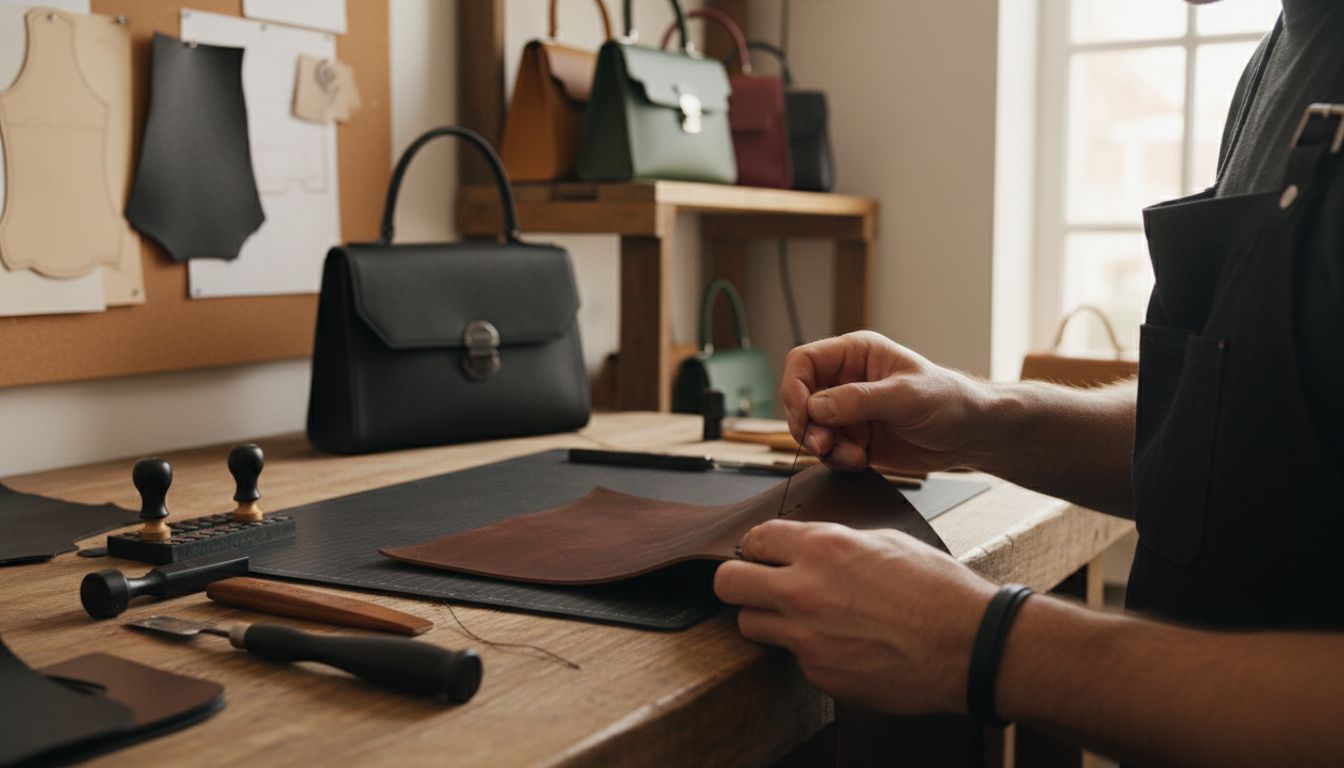
Classic bag design encompasses several key characteristics that distinguish timeless accessories from fleeting fashion items. These elements include:
- Proportional Silhouette: A balanced shape that complements human body mechanics
- Quality Materials: Durable fabrics and leathers with superior craftsmanship
- Elegant Color Palette: Neutral or versatile tones that coordinate across multiple outfits
- Functional Configuration: Thoughtful internal compartments and practical carrying options
The design process requires meticulous attention to structural integrity and aesthetic harmony. As exemplified by iconic styles like the hobo bag, classic designs often feature distinctive characteristics such as a crescent shape, soft materials that provide flexible movement, and ergonomic shoulder straps that enhance both visual appeal and user comfort.
Ultimately, a truly classic bag design transcends mere utility. The Art of Craftsmanship: Why High-Quality Handbags Are Worth the Investment reveals that these pieces are more than accessories - they represent personal style statements crafted with precision and artistic intention.
Signature Styles and Iconic Bag Models
The landscape of classic bag design is defined by signature styles that have transcended generations and fashion cycles. According to Vogue UK, certain handbag models have become cultural icons, representing more than just accessories but statements of personal style. For instance, Gucci’s Horsebit 1955 bag exemplifies this phenomenon with its distinctive equestrian-inspired hardware and classic rectangular shape.
Iconic Bag Models represent a fusion of design innovation and cultural significance. Some standout examples include:
- Dior Saddle Bag: A revolutionary design introduced in 1999, characterized by its asymmetrical, equestrian-themed silhouette
- Chloé Paddington: Renowned for its slouchy shape and oversized signature padlock
- Classic Rectangular Structures: Timeless shapes that offer versatility and elegance
- Hardware-Defined Designs: Bags where decorative elements become defining characteristics
The evolution of iconic bag models reveals fascinating design narratives. As highlighted by Wikipedia, the Dior Saddle bag perfectly illustrates this trend - initially popular in the early 2000s, it experienced a remarkable resurgence in the late 2010s, demonstrating how exceptional design can transcend temporary fashion moments.
Ultimately, these signature styles are more than mere containers for personal belongings. They represent artistic expressions, cultural markers, and personal statements that reflect individual taste, societal trends, and the continuous dialogue between form and function in fashion design.
Materials and Craftsmanship in Classic Bags
The essence of classic bag design lies deeply in the selection of premium materials and extraordinary craftsmanship. As demonstrated by the iconic Birkin bag, true luxury is defined not just by appearance, but by the meticulous process behind each creation. These bags are typically handmade, with each piece requiring 15 to 20 hours of dedicated artisan work, emphasizing quality over mass production.
Key Material Characteristics that distinguish classic bags include:
- Leather Quality: Full-grain, top-grain leather with minimal imperfections
- Durability: Materials that age gracefully and develop unique patinas
- Texture Complexity: Nuanced surface treatments that reflect expert craftsmanship
- Color Consistency: Rich, uniform coloration achieved through expert dyeing techniques
Craftsmanship extends beyond mere material selection. Wikipedia’s documentation of the Kelly bag illustrates this perfectly, highlighting how a single craftsman can spend up to twenty hours meticulously constructing a single bag, ensuring every stitch and structural element meets exacting standards. This approach transforms bags from simple accessories into wearable art pieces.
How to Care for Your High-Quality Handbag: Tips to Preserve Its Beauty underscores that true craftsmanship requires ongoing maintenance. The investment in a classic bag is not just about the initial purchase, but about understanding and preserving the intricate work that makes each piece unique - a testament to human skill, artistic vision, and uncompromising quality.
How Classic Designs Remain Timeless
Timeless design transcends fleeting fashion trends by incorporating elements that speak to fundamental aesthetic and functional principles. According to Female Magazine, iconic designs like the Fendi Peekaboo bag demonstrate this principle perfectly. Introduced in 2009, the bag references mid-century top-handle frame bags, with its unique gusseted construction and intentionally weighted hardware contributing to an enduring visual language that defies temporary style shifts.
Key Factors in Design Longevity include:
- Architectural Integrity: Structures that maintain visual balance
- Functional Adaptability: Designs that serve multiple contexts and needs
- Subtle Design Details: Hardware and structural elements that transcend momentary trends
- Material Resilience: Choices that age gracefully and develop character
The evolution of classic bag designs reveals a fascinating narrative of reinvention. Female Magazine’s analysis of Balenciaga’s Le City bag illustrates this phenomenon, showing how a design introduced in 2001 can maintain its relevance through strategic revivals. Its slouchy shape and distinctive hardware have allowed it to remain a contemporary statement piece across multiple fashion generations.
Ultimately, timeless design is about creating pieces that connect with human emotion and aesthetic sensibility. These bags are more than accessories - they are cultural artifacts that reflect broader design philosophies, telling stories of craftsmanship, innovation, and the delicate balance between tradition and contemporary expression.
Classic vs. Contemporary Bag Designs
The dialogue between classic and contemporary bag designs represents a nuanced dance of tradition and innovation. According to Female Magazine, contemporary designs often pay homage to their iconic predecessors while introducing subtle modern interpretations. Balenciaga’s Le City bag exemplifies this approach, maintaining its original distinctive features while adapting to current fashion sensibilities.
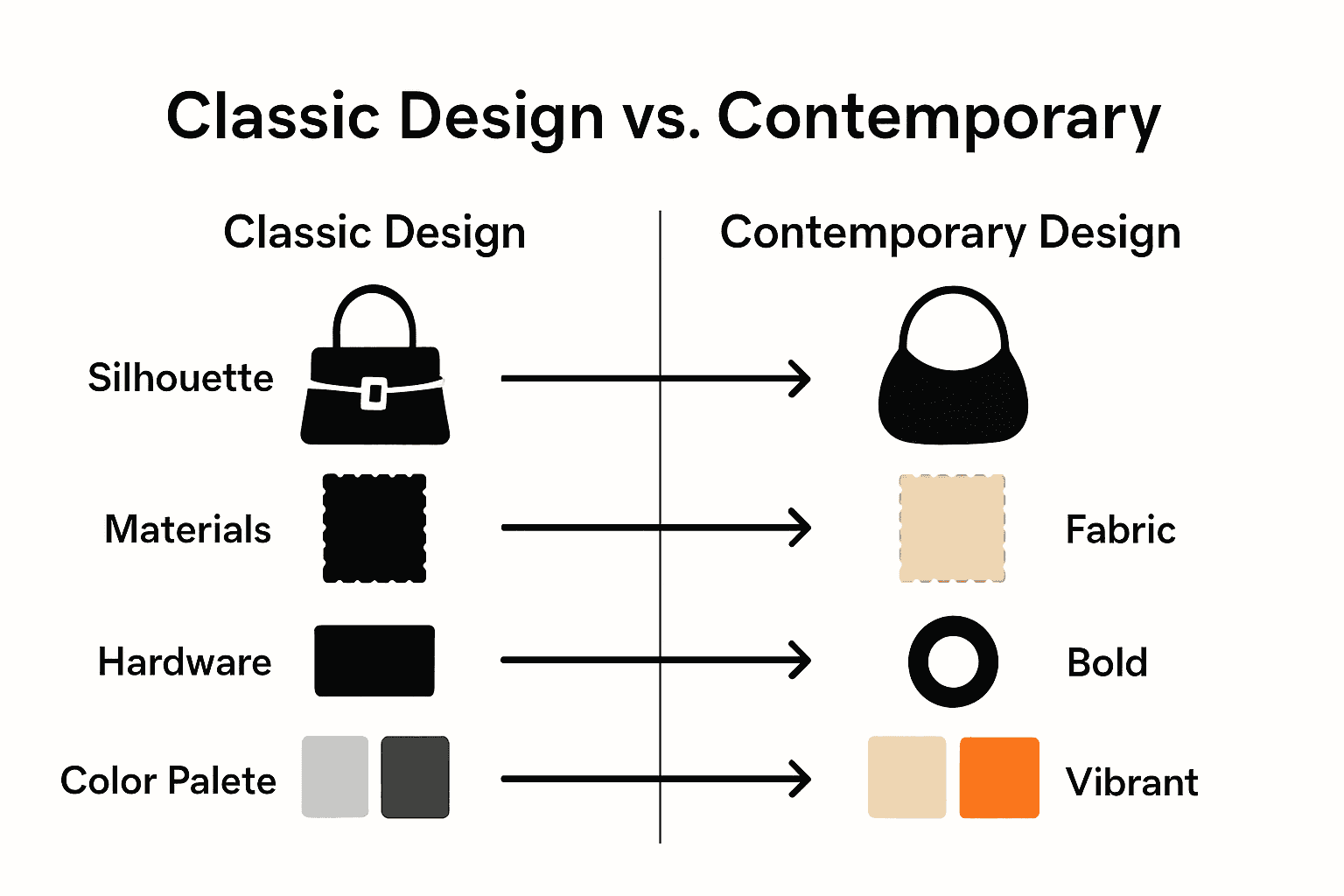
Key Distinguishing Characteristics between classic and contemporary designs include:
- Structural Integrity: Classic bags prioritize timeless shapes, contemporary designs experiment with form
- Material Selection: Classic designs use traditional leather, contemporary versions explore innovative fabrics
- Hardware Details: Classic bags feature understated hardware, contemporary designs use more dramatic embellishments
- Color Palette: Classic designs favor neutral tones, contemporary bags embrace bold, experimental colors
The evolution of iconic designs demonstrates remarkable adaptability. Female Magazine’s analysis of the Fendi Peekaboo illustrates this perfectly, showing how a 2009 design has transformed through subtle material updates and design tweaks, ensuring its continued relevance from its original debut to the 2024 Peekaboo Soft version.
Ultimately, the most successful bag designs bridge the gap between heritage and innovation.
 News from Handbag4u reveals that contemporary designers understand that true style isn’t about completely reinventing the wheel, but about respecting classical foundations while introducing fresh perspectives that speak to modern sensibilities.
Discover Timeless Elegance with Classic Bag Designs Today
Choosing a classic bag means investing in pieces that merge impeccable craftsmanship with enduring style. If you value quality materials, functional design, and iconic silhouettes like the Dior Saddle bag or the Birkin, it is essential to shop where expertise meets authenticity. Many shoppers struggle with selecting bags that remain stylish through rapidly changing trends. Classic design principles highlight features such as proportional silhouettes and elegant color palettes that never go out of style.

Explore our curated collection of high-quality designer handbags at Handbag4u where every item reflects the artistry and thoughtful construction discussed in the article. Embrace the enduring appeal of classic bag design with options that bring both beauty and practicality into your everyday life. Don’t wait to experience luxury that stands the test of time. Start your journey now by visiting Handbag4u.com and find the perfect blend of tradition and contemporary innovation.
Frequently Asked Questions
What are the key characteristics of classic bag design?
Classic bag design is distinguished by a proportional silhouette, quality materials, an elegant color palette, and a functional configuration with thoughtful internal compartments and practical carrying options.
How does craftsmanship impact the quality of classic bags?
The craftsmanship of classic bags significantly impacts their quality, with emphasis on the use of premium materials, durability, and intricate details that reflect expert workmanship. High-quality bags are often handmade, requiring extensive time and attention to detail.
Why are iconic bag models considered timeless?
Iconic bag models are considered timeless due to their blend of design innovation and cultural significance, often representing personal style statements. They may transcend fashion trends and maintain relevance across generations through their aesthetic and functional qualities.
What factors contribute to the longevity of classic bag designs?
The longevity of classic bag designs is influenced by architectural integrity, functional adaptability, subtle design details, and resilient materials that develop character over time, ensuring they remain desirable despite changing fashion trends.