

Most American consumers believe that a high price tag guarantees quality, yet nearly 60 percent of supposedly luxury handbags lack true craftsmanship. In today’s fast-moving fashion world, spotting real artisan skill matters more than ever. Understanding what sets exceptional work apart helps buyers avoid common pitfalls and recognize when a handbag is a genuine work of art, not just another stylish accessory.
Table of Contents
- Craftsmanship In Handbags Defined And Debunked
- Traditional Techniques Versus Modern Innovations
- Key Signs Of Superior Handbag Craftsmanship
- Impact On Brand Reputation And Resale Value
- Cost, Rarity, And Consumer Perceptions
Key Takeaways
| Point | Details |
|---|---|
| Craftsmanship Definition | True craftsmanship in handbags combines technical skill with artistic vision, going beyond mere manufacturing to create functional art. |
| Integration of Techniques | Modern handbags harmoniously blend traditional craftsmanship with technological innovations, enhancing the creative potential of artisans. |
| Indicators of Quality | Superior craftsmanship is indicated by precise stitching, high-quality materials, and meticulous attention to detail in design and construction. |
| Consumer Perception | Luxury handbags are viewed as investments; their value is influenced by craftsmanship, uniqueness, and the story they convey, rather than just price. |
Craftsmanship in Handbags Defined and Debunked
Craftsmanship represents the pinnacle of design excellence, transforming handbags from mere accessories into artisan-created masterpieces. Traditional craftsmanship transcends simple manufacturing, embodying a meticulous approach where skilled artisans invest extraordinary time and precision into every detail. Innovative handicraft techniques demonstrate how technical expertise and creative vision merge to produce exceptional products that go far beyond mass-produced alternatives.
At its core, handbag craftsmanship involves multiple intricate elements that distinguish luxury accessories. These include precision stitching, carefully selected materials, hand-finishing techniques, and structural integrity that ensures both aesthetic appeal and functional durability. Skilled craftspeople understand that true luxury isn’t about flashy logos or trendy designs, but about creating pieces with architectural precision and sensory sophistication.
The reality of modern craftsmanship challenges several common misconceptions. Not all expensive handbags represent genuine craftsmanship, and not all handmade items guarantee superior quality. Authentic craftsmanship requires a combination of technical skill, artistic vision, and an unwavering commitment to excellence. Consumers must look beyond surface appearances and examine the actual construction techniques, material quality, and design philosophy that transform a simple bag into a remarkable piece of functional art.
Traditional Techniques Versus Modern Innovations
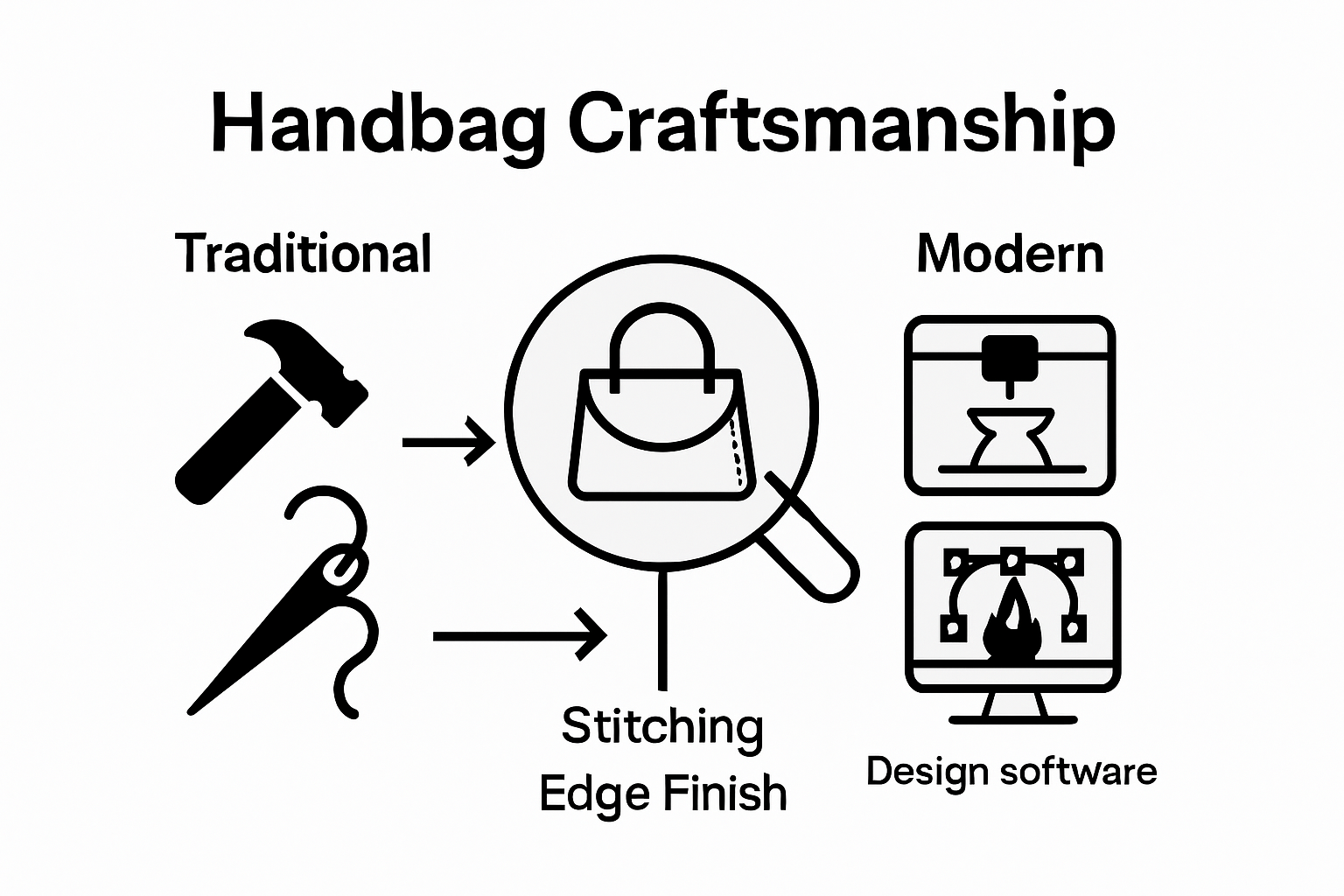
The landscape of handbag design is a dynamic interplay between time-honored craftsmanship and cutting-edge technological innovations. Machine embroidery workflows are revolutionizing traditional textile techniques, demonstrating how computational design can transform flat materials into sophisticated three-dimensional structures. This convergence represents more than just a technical evolution - it’s a fundamental reimagining of how artisan skills can be enhanced and expanded through technological intervention.
Historically, craftsmanship was defined by manual techniques passed through generations. Today, fashion’s technological intersection reveals a more nuanced reality where hand-made and machine-made processes coexist and complement each other. Modern handbag designers are no longer choosing between traditional methods and technological innovation, but strategically integrating both to create products that honor artisan heritage while embracing contemporary manufacturing capabilities.
This synthesis requires a delicate balance. Technological advancements must not replace the soul of craftsmanship but instead amplify its potential. Precision machinery can now execute intricate designs with microscopic accuracy, while skilled artisans provide the creative vision and quality control that machines cannot replicate. The most exceptional handbags emerge from this collaborative approach - where human creativity and technological precision dance together, creating accessories that are simultaneously timeless and forward-looking.
Key Signs of Superior Handbag Craftsmanship
Luxury handbag craftsmanship represents a meticulous art form that goes far beyond simple manufacturing. The hallmarks of superior craftsmanship are revealed through extraordinary attention to detail, where every stitch, seam, and material selection tells a story of uncompromising quality. Precision stitching emerges as a critical indicator, with master artisans executing techniques that ensure structural integrity, aesthetic beauty, and long-lasting durability.
Superior craftsmanship is characterized by several key elements that discerning buyers should carefully evaluate. Premium handbag features include impeccable material selection, where high-grade leather, carefully sourced fabrics, and refined hardware demonstrate true artisan expertise. Skilled craftspeople pay extraordinary attention to material grain, color consistency, and structural alignment, ensuring that each handbag represents a harmonious blend of form and function.
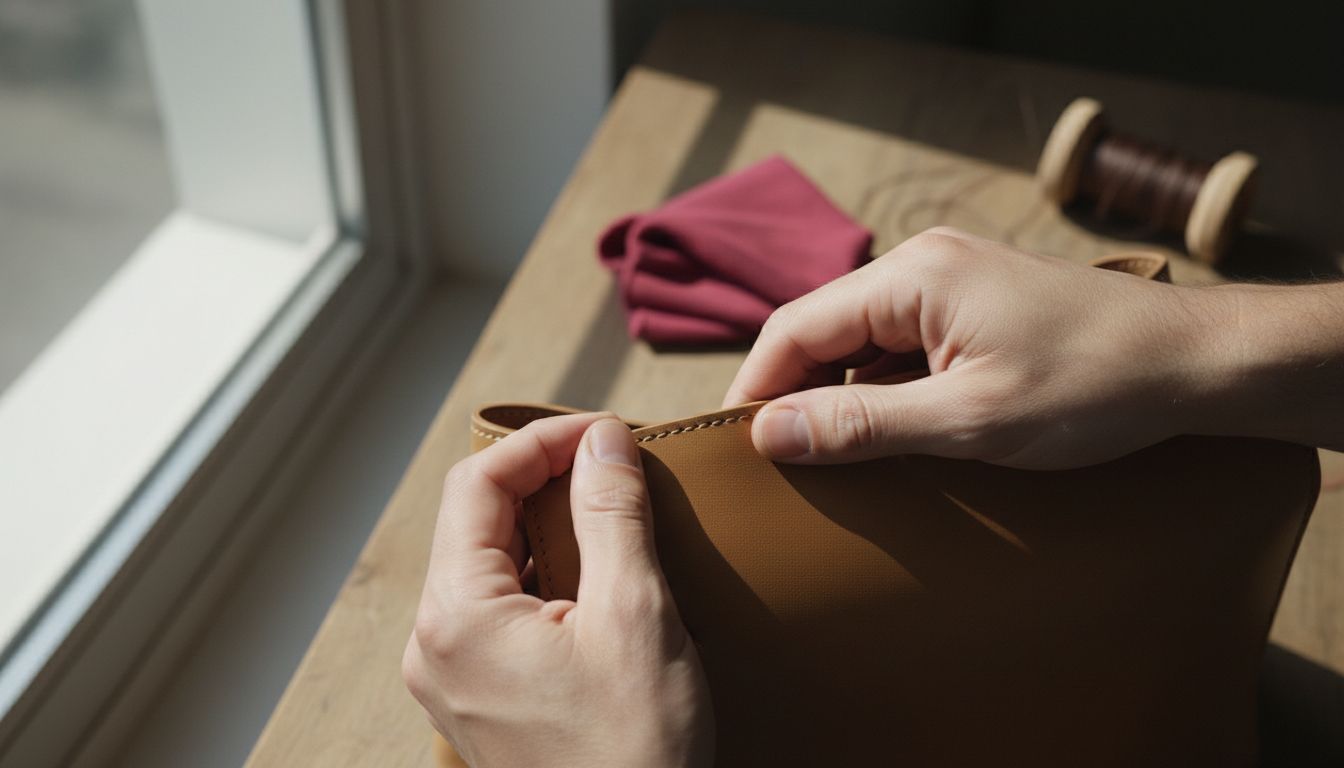
Beyond visual aesthetics, true craftsmanship reveals itself through subtle yet profound details. Handbag construction requires immaculate internal finishing, reinforced stress points, precise hardware alignment, and seamless material transitions. Each element must demonstrate purposeful design - from perfectly matched thread colors to expertly constructed interior compartments that balance aesthetic elegance with practical utility. The most exceptional handbags are not just accessories, but wearable art pieces that reflect generations of design knowledge and technical mastery.
Impact on Brand Reputation and Resale Value
Collaborative design projects fundamentally transform how luxury brands establish and maintain their reputation in the competitive accessory market. Craftsmanship becomes a critical narrative that extends far beyond the initial purchase, creating a lasting impression that directly influences a handbag’s perceived value and potential resale performance. Brand reputation emerges as a complex ecosystem where every stitch, material choice, and design decision contributes to a broader perception of quality and prestige.
The resale market for luxury handbags operates on a nuanced assessment of craftsmanship that goes well beyond aesthetic appeal. Fabric design techniques play a significant role in determining long-term value, with discerning collectors and investors carefully examining the quality of construction, material durability, and overall artisan execution. Handbags that demonstrate exceptional craftsmanship can retain up to 80% of their original value, transforming them from mere accessories into potential investment pieces.
Ultimately, brand reputation in the luxury handbag market is a delicate balance between heritage, innovation, and consistent quality. Brands that invest in meticulous craftsmanship create a narrative of excellence that transcends individual products, establishing a legacy that attracts collectors, fashion enthusiasts, and investors alike. The most successful luxury brands understand that reputation is not built through marketing alone, but through a demonstrable commitment to uncompromising quality and artistic integrity.
Cost, Rarity, and Consumer Perceptions
Customized fashion handbag design reveals a complex interplay between cost, craftsmanship, and consumer expectations. Price positioning in the luxury handbag market is not merely about monetary value, but about communicating a sophisticated narrative of exclusivity and artistic merit. Consumers increasingly understand that true value extends beyond price tags, focusing instead on the unique story, technical execution, and cultural significance embedded in each accessory.
The concept of rarity transforms consumer perceptions dramatically. Traditional pattern integration demonstrates how cultural authenticity and limited production can dramatically elevate a handbag’s perceived value. Discerning buyers seek more than mass-produced items - they want pieces that represent a fusion of heritage, innovative design, and meticulous craftsmanship. Limited edition handbags that incorporate unique design elements or rare materials can command prices several times higher than standard production models.
Ultimately, consumer perceptions are shaped by a sophisticated understanding of craftsmanship that goes far beyond surface-level aesthetics. The most valuable handbags are those that tell a compelling story through their design, materials, and construction - transforming from mere accessories into wearable art pieces that reflect personal taste, cultural appreciation, and an understanding of true artistic excellence. Sophisticated buyers recognize that the most exceptional handbags are investments in creativity, cultural heritage, and personal expression.
Discover True Luxury Crafted to Perfection
The article highlights the challenge many face when trying to identify genuine craftsmanship in handbags. With so many options on the market, distinguishing true artisan quality from mass-produced luxury items can be overwhelming. At Handbag4u.com, we understand your desire for precision stitching, premium materials, and authentic design that reflect timeless craftsmanship. We bring you a curated collection featuring iconic brands like Burberry and Saint Laurent known for their unwavering commitment to superior construction and style.

Experience the difference that expert craftsmanship offers by exploring our exclusive selection of handcrafted designer handbags. Visit Handbag4u.com now to find your perfect piece that combines heritage, innovation, and lasting value. Don’t settle for less—invest in handbags that tell a story and elevate your wardrobe today.
Frequently Asked Questions
What qualifies as superior handbag craftsmanship?
Superior handbag craftsmanship is characterized by meticulous attention to detail, precision stitching, high-quality materials, and immaculate internal finishing. Each component, from the selection of fabrics to the alignment of hardware, reflects a commitment to excellence and artistry.
How do traditional techniques differ from modern innovations in handbag crafting?
Traditional techniques involve manual methods passed down through generations, whereas modern innovations incorporate technological advancements, such as machine embroidery and precision machinery. This evolution allows designers to blend artisan skills with contemporary manufacturing techniques for enhanced quality and creativity.
Why is craftsmanship important for a handbag’s resale value?
The craftsmanship of a handbag significantly impacts its resale value. Handbags demonstrating exceptional workmanship, quality materials, and thoughtful design can retain up to 80% of their original price, making them more attractive to collectors and investors as potential investment pieces.
How can consumers assess the craftsmanship of a handbag before purchasing?
Consumers can assess handbag craftsmanship by examining details such as stitching precision, material quality, internal finishing, and design integrity. It is essential to look for seamless transitions between materials and overall construction that denotes purposeful design and quality control.